Arthur Shurven

Home page

Appears as:

Born:

Parents:

Unit:

No.:

Rank:

Died:

Grave/Memorial: 
Shurwen, Arthur

1896, Barnsbury, London

James and Caroline (née Deane)

"D" Company, 2/4th Battalion, The Queen's (Royal West Surrey) Regiment

T.2392 / T.206440

Corporal

21 December 1917, Palestine, age 21

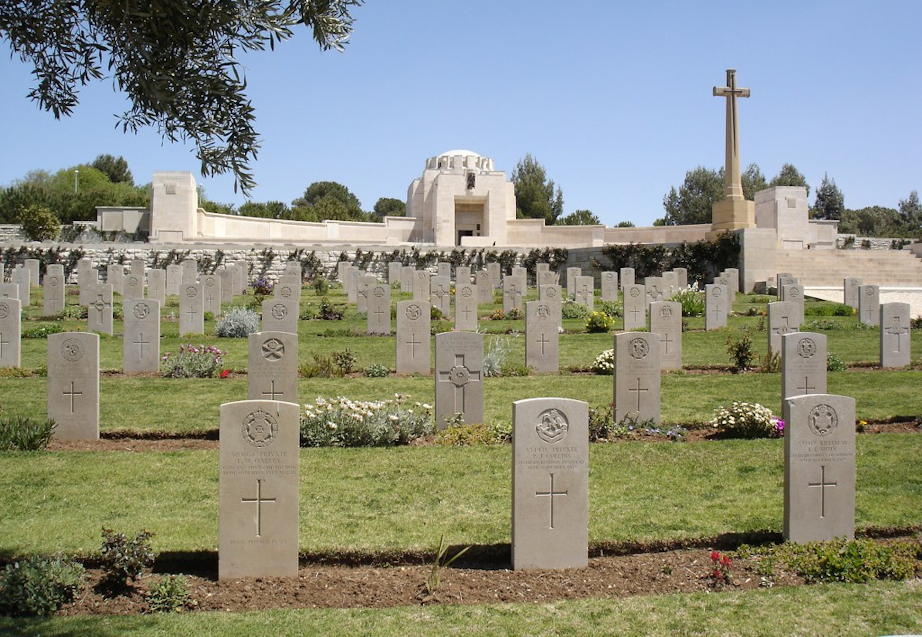
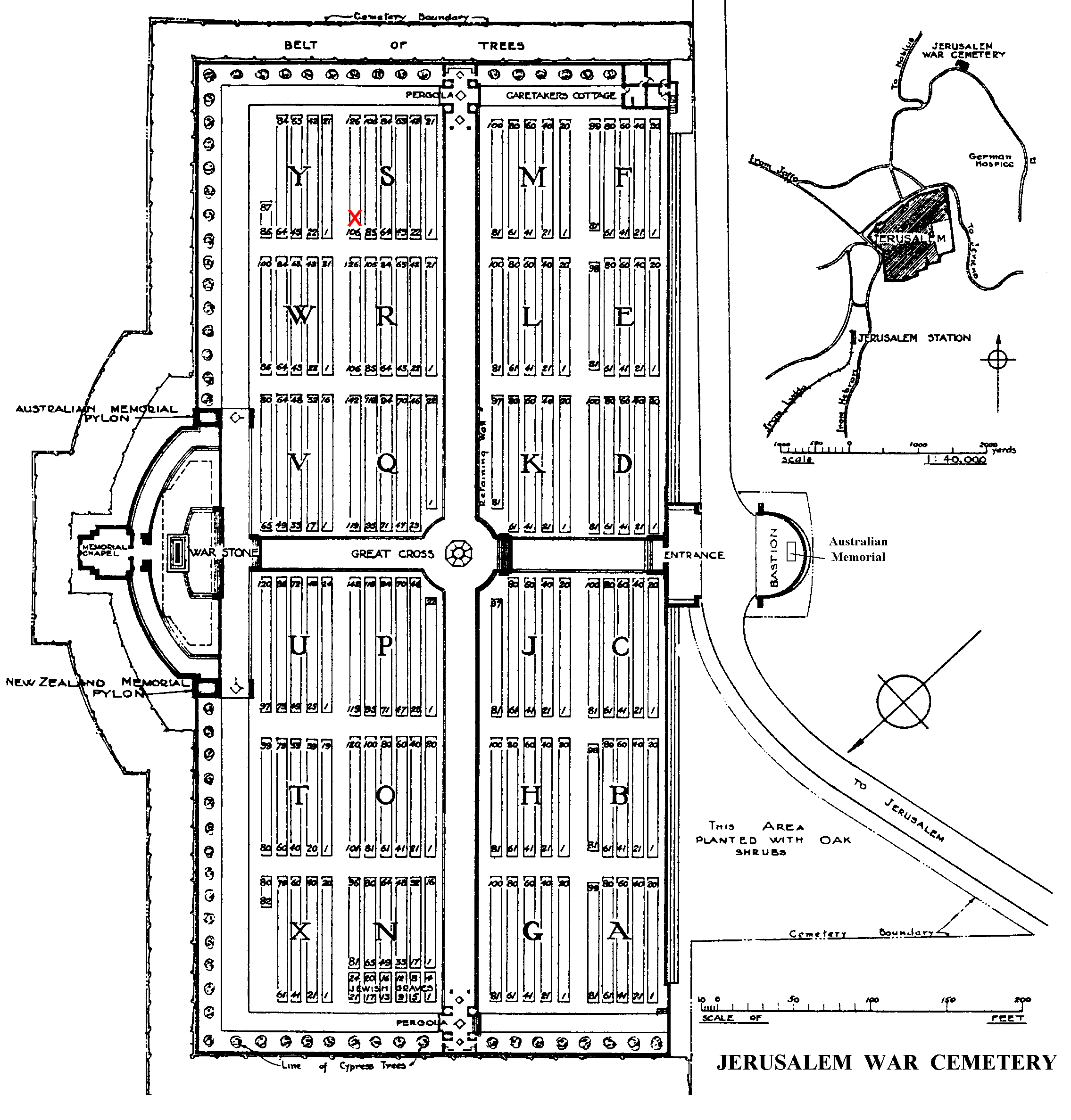
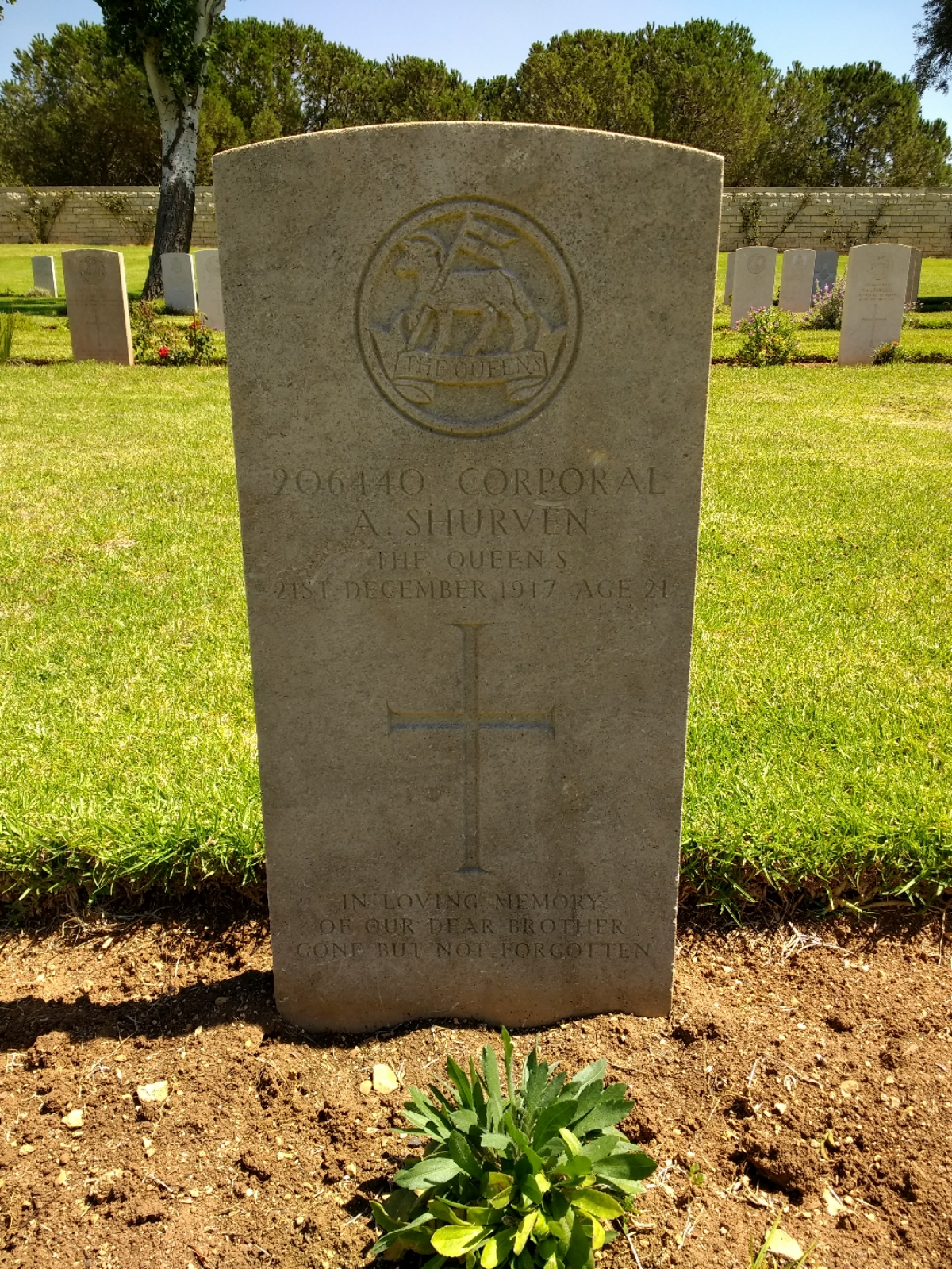
Jerusalem War Cemetery, Jerusalem, Israel: S. 110
      

Biography:
Arthur Shurven was born in Barnsbury, London in 1896. He was the son and youngest child of James, a gardener, and Caroline Augusta (née Deane).
He had three brothers.

Arthur’s mother died in 1903, when he was seven. At the time of the 1911 census, Arthur was living with his grandmother, Elizabeth Shurven, in St
John’s. He was aged 14 and working as a ‘seller’ for Spiers & Pond, in the Refreshment Rooms at Woking Railway Station [presumably at the food
counter and not behind the bar].

When war broke out, Arthur volunteered, joining the 2/4th (Territorial) Battalion, The Queen's (Royal West Surrey) Regiment. He disembarked in
Alexandria on 28 July 1915, with the 2/4th Battalion, as part of the 53rd (Welsh) Division. The 53rd Division was destined as reinforcements for the
Gallipoli Campaign. After sailing for Lemnos it landed on C Beach at Suvla Bay on the night of 8/9 August. The battalion was evacuated to Mudros aboard
the El Kahirah on 13 December, with a strength of 14 officers and 224 other ranks, having suffered losses of 29 officers and 680 other ranks killed,
wounded, missing, or sick.

The British opened the Sinai and Palestine Campaign in March 1917 when the Egyptian Expeditionary Force (EEF) advanced towards Gaza, with 53rd
Division in the Desert Column.

On 21 December, 160th Brigade carried out a minor operation near Jericho. At 05.00 three companies of 2/4th Queens captured a Turkish post, and the
Turks fell back to 'White Hill'. A company of 2/4th Queen's, together with one of 2/10th Middlesex Regiment, took this position after fierce close fighting
with bombs, bayonets, and clubbed rifles.

Arthur Shurven was killed in Palestine on 21 December 1917. He is buried, in grave S. 110, within The Jerusalem War Cemetery, Jerusalem, Israel.


At the outbreak of the First World War, Palestine (now Israel) was part of the Turkish Empire and it was not entered by Allied forces until December 1916. The advance to Jerusalem
took a further year, but from 1914 to December 1917, about 250 Commonwealth prisoners of war were buried in the German and Anglo-German cemeteries of the city.

By 21 November 1917, the Egyptian Expeditionary Force had gained a line about five kilometres west of Jerusalem, but the city was deliberately spared bombardment and direct attack.
Very severe fighting followed, lasting until the evening of 8 December, when the 53rd (Welsh) Division on the south, and the 60th (London) and 74th (Yeomanry) Divisions on the west,
had captured all the city's prepared defences. Turkish forces left Jerusalem throughout that night and in the morning of 9 December, the Mayor came to the Allied lines with the Turkish
Governor's letter of surrender. Jerusalem was occupied that day and on 11 December, General Allenby formally entered the city, followed by representatives of France and Italy.

Meanwhile, the 60th Division pushed across the road to Nablus, and the 53rd across the eastern road. From 26 to 30 December, severe fighting took place to the north and east
of the city but it remained in Allied hands.

Jerusalem War Cemetery was begun after the occupation of the city, with 270 burials. It was later enlarged to take graves from the battlefields and smaller cemeteries in the
neighbourhood.