Frederick James Rice

Home page

Appears as:

Born:

Parents:

Unit:


No.:

Rank:

Died:

Grave/Memorial: 
Rice, Frederick J

29 January 1894, Knaphill, Surrey

Frederick and Rose (née Russell)

"H" Company, 1st/5th Battalion, The Queen's (Royal West
Surrey) Regiment

T.2284

Private

27 June 1916, Mesopotamia, age 32

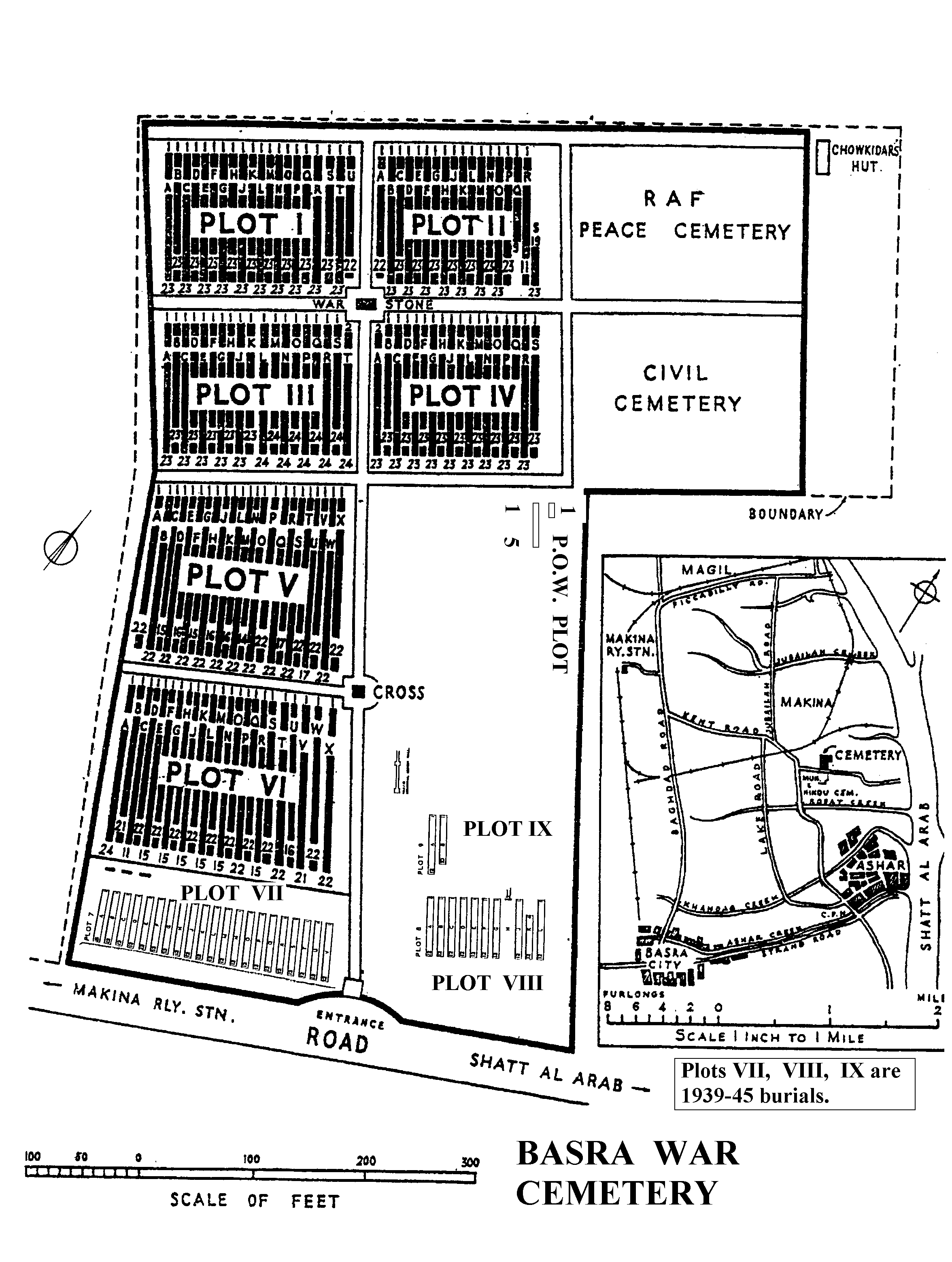
Basra War Cemetery, Iraq: IV. R. 12

      

Biography:
Frederick James Rice was born in, Knaphill, Woking, Surrey, on 29 January 1894. He was the son of Frederick George, coal merchant and ironmonger,
and Rose (née Russell).

Frederick was educated at Knaphill School and Ryde House (Ripley). After leaving school, Frederick worked as a plumber’s assistant for Mr R Pain
of High Street, Woking and then for Woking Gas Board. When war broke out he had joined his father’s business.

Frederick joined up in the first week of the war, enlisting with The Queen's (Royal West Surrey) Regiment. He deployed with 1/5th Battalion, to India.
On 29 November 1915, the battalion left Lucknow for Bombay. They sailed from Bombay on 2 December, arriving at Basrah on 7 December 1915. On
9 December, the battalion left for Nasiriyah.

Frederick James Rice died of cholera, at Nasiriyah, on 27 June 1916; he was buried, at 6pm. He is now buried in grave IV. R. 12, within Basra War
Cemetery, Iraq.


During the First World War, Basra was occupied by the 6th (Poona) Division in November 1914, from which date the town became the base of the Mesopotamian Expeditionary Force.
A number of cemeteries were used by the MEF in and around Basra; Makina Masus Old Cemetery was used from December 1914 to October 1916 and the Makina Masus New
Extension was begun alongside the old cemetery in August 1917. These two sites formed the basis of the war cemetery.

The cemetery now contains 2,560 burials of the First World War, of which 76 are unidentified and 10 are non-commonwealth casualties (mostly Russian refugees). In addition, 6
casualties whose graves could not be found during the reburial phase were commemorated on special memorial headstones.

However, in 1935 it was decided to remove all the headstones as the salty soil had caused them to substantially deteriorate. Instead, all the Commonwealth casualties were
commemorated on a Memorial Screen Wall which was built in the same year.

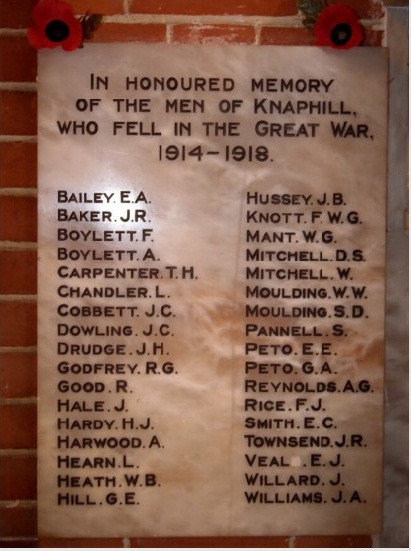
Frederick is also commemorated on the memorial tablet within Knaphill Holy Trinity Church.