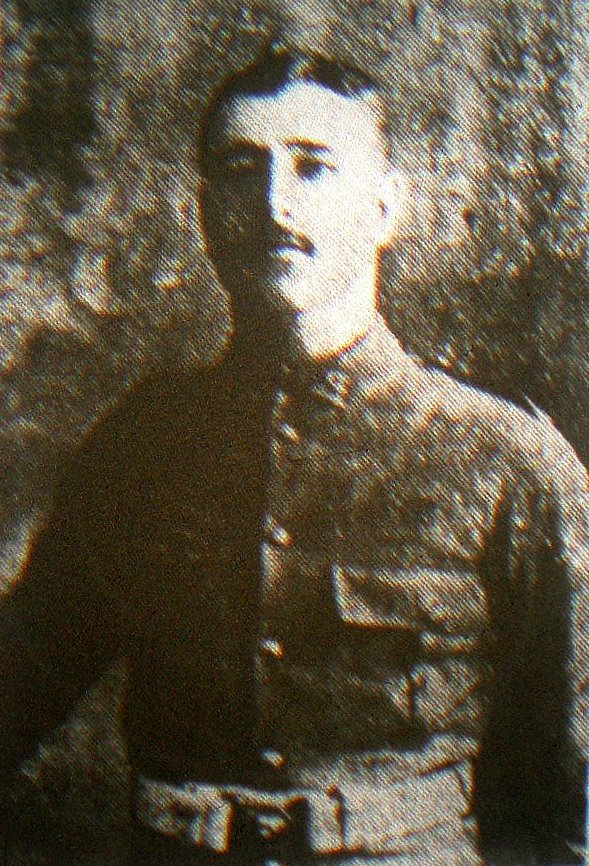
Albert Walter Pullen

Home page

Appears as:

Born:

Parents:

Unit:

No.:

Rank:

Died:

Grave/Memorial: 
Pullen, Albert W

1892, Bisley, Surrey

James and Jane (née Daborn)

8th Battalion, The Queen's (Royal West Surrey) Regiment

G.7548

Private

22 March 1918, France, age 26

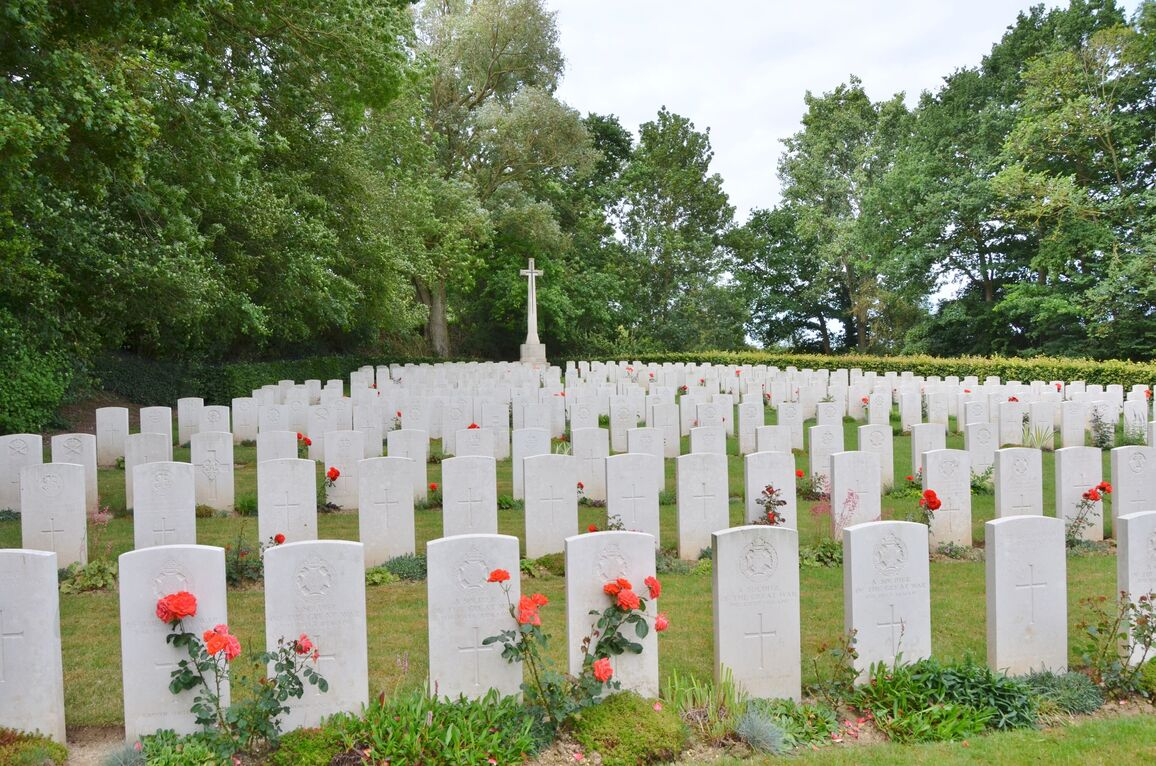
Pargny British Cemetery, France: Special Memorial B. 2
      

Biography:
Albert Walter Pullen was born in Bisley, Surrey in 1892. He was the son and sixth child of James, a fruit and potato dealer, and Jane (née Daborn). He
had four brothers and four sisters.

After he left school, Albert was working as a gardener.

Albert enlisted in the Army in December 1915, joining The Queen's (Royal West Surrey) Regiment, at Guildford; he was then 23 and working as a
builder’s labourer. He stood 5 feet 11 inches tall; his complexion was described as ‘dark’, his hair was dark brown and his eyes blue.

On 19 August 1916, Albert embarked with 8th Battalion The Queen's (Royal West Surrey) Regiment. On 4 September he was wounded in action incurring
a gunshot wound to the right knee. He was transferred back to England.

From 1 May to 12 June 1917, Albert was treated in Chichester Military hospital for syphilis. On 15 September, he was back suffering from dysentery. He
rejoined his unit on 18 March 1918.

Albert Walter Pullen was declared missing presumed killed on 22 March 1918. His final resting place is unknown. He is commemorated on Special
Memorial B. 2, within Pargny British Cemetery, France.


Pargny British Cemetery was made after the Armistice, by concentrations from
the surrounding battlefields and Pargny German Cemetery, which was a little
way North-East of Pargny Church, and contained the graves of 32 soldiers from
the United Kingdom. The majority of the burials in this cemetery are those of
officers and men of the 61st and 8th Divisions, whose resistance at the Somme
crossings on the 24th March 1918, materially helped to delay the German
advance.

There are now over 600, 1914-18 war casualties commemorated in this site. Of
these, more than three-quarters are unidentified and special memorials are
erected to 16 soldiers from the United Kingdom, known or believed to be
buried among them.