Stephen Pannell

Home page

Appears as:

Born:

Parents:

Unit:

No.:

Rank:

Died:

Grave/Memorial: 
Pannell, Stephen

27 February 1878, Witley, Surrey

Edmund and Charlotte (née Burchell)

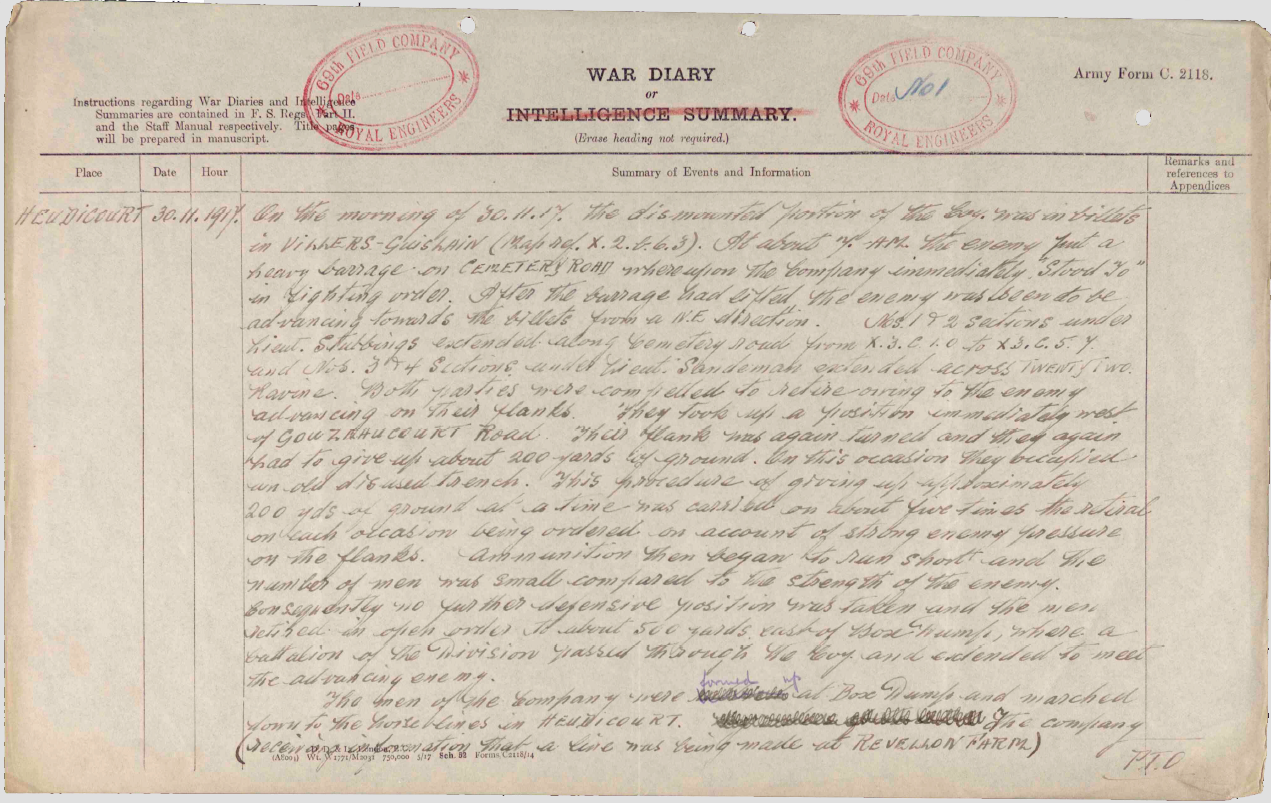
69th Field Company, Royal Engineers

65907

Sapper

30 November 1917, age 39

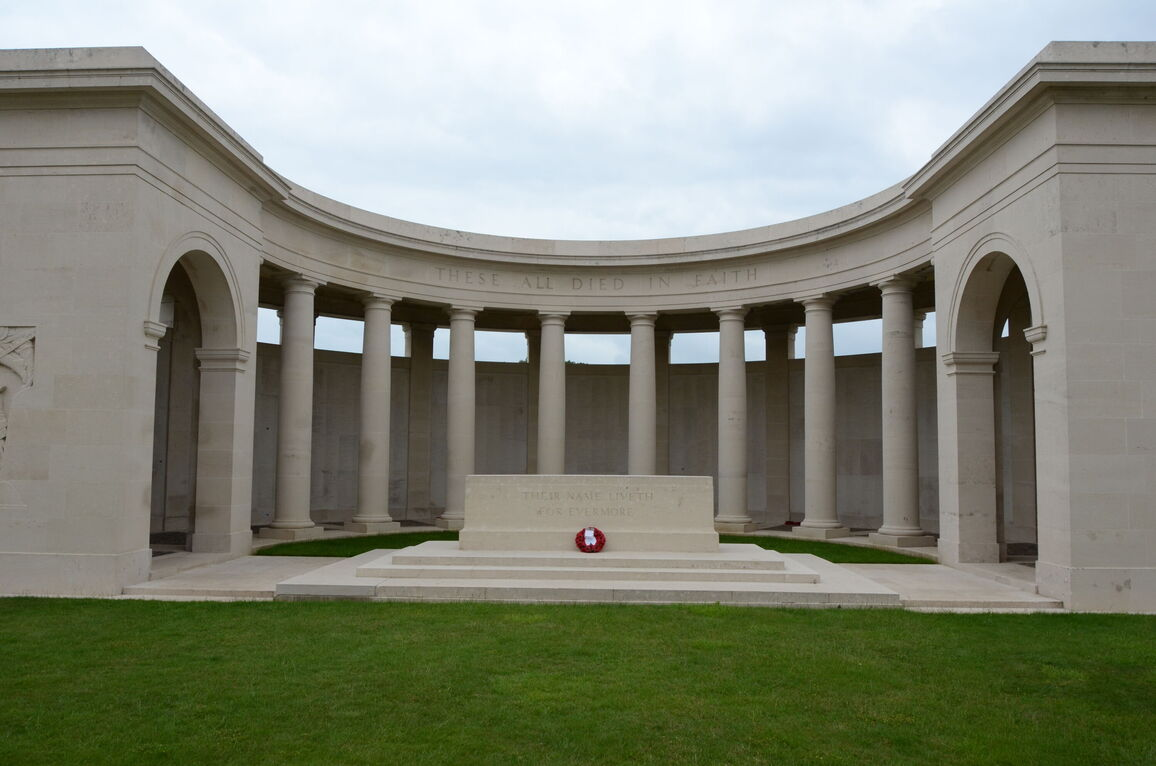
Cambrai Memorial, Louverval, Departement du Nord, Nord-Pas-de-Calais,
France: Panel 1 and 2
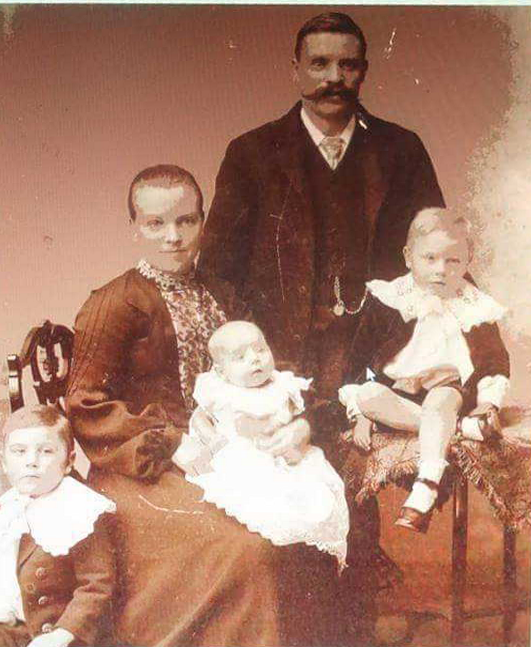
   

Biography:
Stephen Pannell was born in Witley, Surrey, on 27 February 1878. He was the son and sixth child of Edmund and Charlotte (née Burchell). He had four
brothers and two sisters.

After leaving school, Stephen worked as a builder’s carpenter.

Stephen married Esther Annie Smithers, of Chobham on 30 September 1899. He was then working as a carpenter and joiner at Brookwood Hospital.
Stephen and Esther lived at Knaphill; they had five children, all boys.

Stephen Pannell joined the Royal engineers on 2 February 1915. He stood 5 feet 3¼ inches tall. He deployed to France with the British Expeditionary
Force in August 1915.

On 28 April 1917, 69th Field Company was employed in repairing damaged trenches. 11 men from the company were wounded, including Stephen
Pannell.


Stephen Pannell was killed on 30 November 1917. His final resting place isunknown; he is commemorated on Panel 1/2 of the Cambrai Memorial,
Louverval, France.


The Cambrai Memorial commemorates more than 7,000 servicemen of the United Kingdom and South Africa who died in the Battle of Cambrai in November and December 1917 and
whose graves are not known.

Sir Douglas Haig described the object of the Cambrai operations as the gaining of a 'local success by a sudden attack at a point where the enemy did not expect it' and to some extent
they succeeded. The proposed method of assault was new, with no preliminary artillery bombardment. Instead, tanks would be used to break through the German wire, with the infantry following under the cover of smoke barrages.

The attack began early in the morning of 20 November 1917 and initial advances were remarkable. However, by 22 November, a halt was called for rest and reorganisation, allowing the
Germans to reinforce. From 23 to 28 November, the fighting was concentrated almost entirely around Bourlon Wood and by 29 November, it was clear that the Germans were ready for
a major counter attack. During the fierce fighting of the next five days, much of the ground gained in the initial days of the attack was lost.

For the Allies, the results of the battle were ultimately disappointing but valuable lessons were learnt about new strategies and tactical approaches to fighting. The Germans had also
discovered that their fixed lines of defence, no matter how well prepared, were vulnerable.

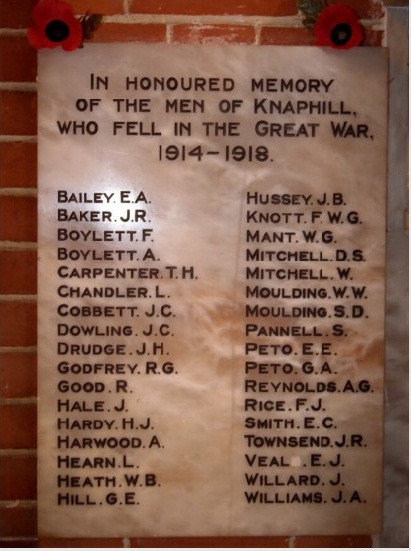
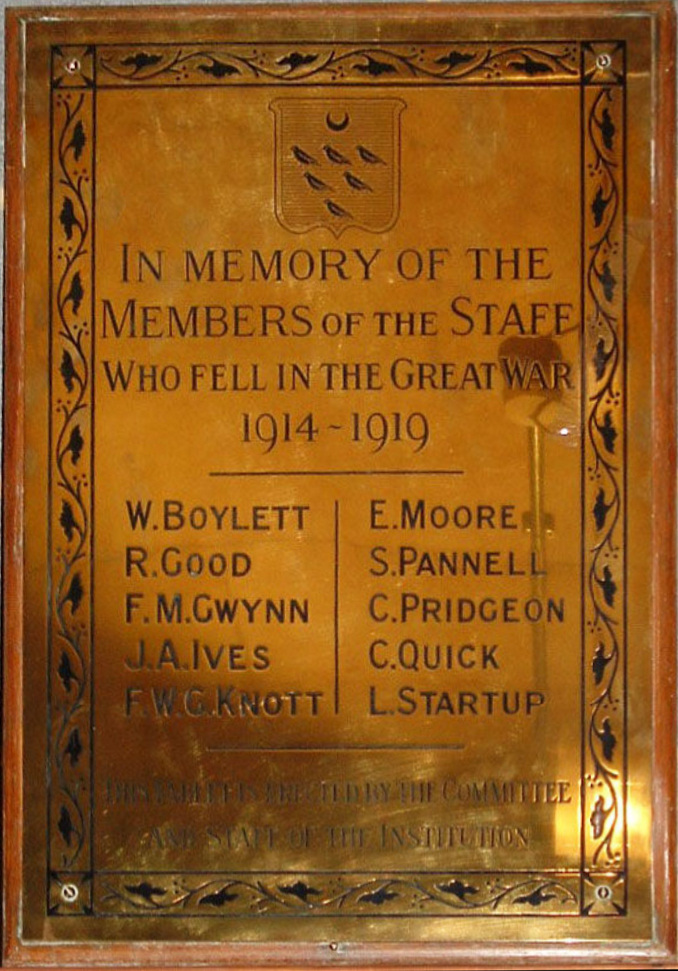
Stephen Pannell is also commemorated on the memorial tablet within Knaphill Holy Trinity Church and the memorial tablet from Brookwood Hospital.