Robert Good

Home page

Appears as:

Born:

Parents:

Unit:

No.:

Rank:

Died:

Grave/Memorial: 
Good, Robert

January 1873, Wigan, Lancashire

William and Elizabeth (née Hartley)

2nd Battalion Durham Light Infantry / 24th Battalion, Rifle Brigade

3248 / 206181

Sergeant

23 July 1919, Sialkot, India (now Pakistan), age 47

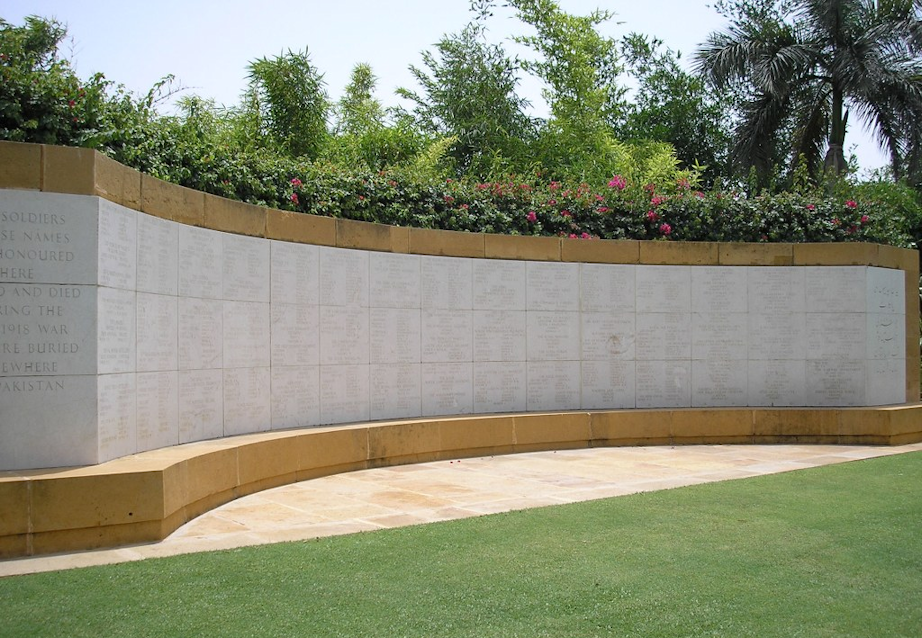
Sialkot? Commemorated on Karachi 1914-1918 War Memorial, Pakistan:
   

Biography:
Robert Good was born in January 1873, in Wigan, Lancashire. He was the son and eldest child of William, a pig-iron moulder, and
Elizabeth (née Hartley). Robert had seven siblings, three of whom (including his only sister) died before adulthood.

Robert joined the army in September 1888, aged fifteen (it was probably that or go down the mines – as his brothers did). He gave
his trade as ‘musician’. Robert stood 4 feet 10 ½ inches tall and weighed 94½ pounds; he had blue eyes and brown hair.

He served in the Durham Light Infantry until June 1907, serving 14 years in India and attaining the rank of Corporal
in October 1898. He was awarded a pension of 11½d.
The 2nd Battalion of the Durham Light Infantry was stationed in India from 1887 and were based at Poona. They were known for their dominance in the
Indian polo scene, winning numerous tournaments. The battalion also assisted in combating the plague outbreaks in Poona and Bombay in 1897 and 1898.

In March 1908, Robert was employed as an attendant at Brookwood Hospital; he was living in Knaphill. On 1 October 1912, he
married Ada Caroline Groves, at Bisley church. They had two sons.

As a reservist, Robert Good would have been called up in November 1915. 24th (Home Counties) Battalion, The Rifle Brigade
was formed in accordance with an Army Council Instruction on 29 November 1915. The battalion was posted for garrison duty in
India in 1916.

Robert Good served with “A” company of the 24th Battalion. He died on 23 July 1919, at Sialkot, India (now Pakistan), age 47.

Robert’s final resting place is unknown – probably in one of the two Sialkot cemeteries; he is commemorated on the Karachi
1914-1918 War Memorial, Pakistan.


Karachi, formerly the capital of the Republic of Pakistan, is the country's only sea port and the main gateway for its trade.

The War Cemetery was created by the Commonwealth War Graves Commission to receive the graves from a number of civil and cantonment cemeteries
scattered through the north of Pakistan and the tribal areas, where their permanent maintenance was not possible. The imposing entrance is of honey-
coloured stone, quarried at Jungshai, near Hyderabad.

The 1914-1918 Memorial is located at the rear of the cemetery opposite the entrance feature and it commemorates 575 Commonwealth casualties. Initially
the memorial was designed to commemorate those who served in garrisons and died in Pakistan (formerly part of India) during the 1914-1918 War and who
lie buried in civil and cantonment cemeteries there. This includes Sialkot East Cemetery and Sialkot West Cemetery.

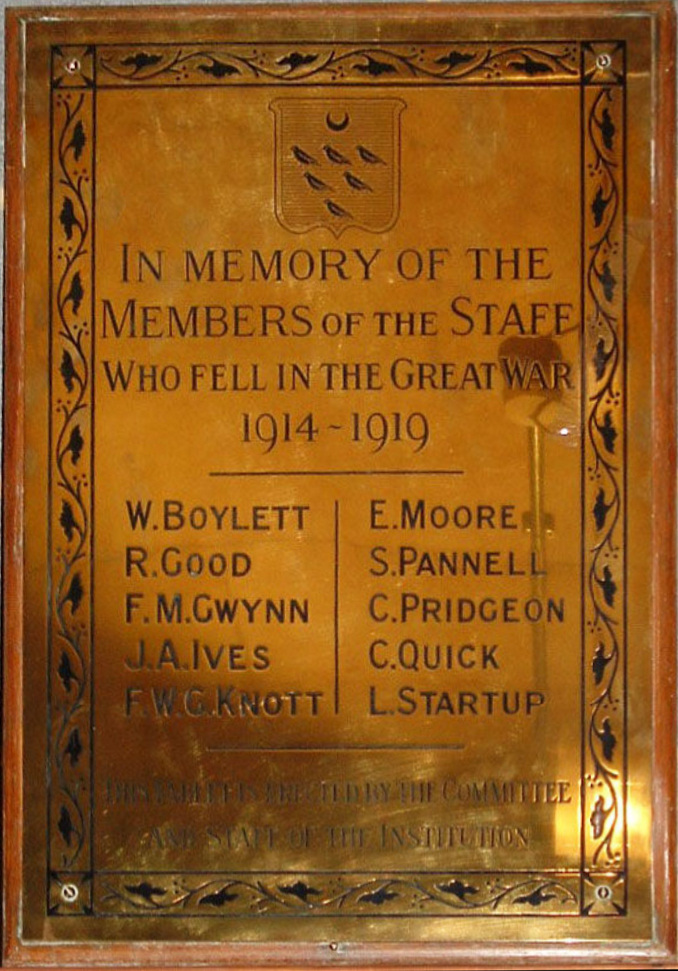
Robert is also commemorated on the memorial in Jubilee Square, Woking and on the memorial tablet from Brookwood Hospital.