Henry Alfred Chowney

Home page

Appears as:

Born:

Parents:

Unit:

No.:

Rank:

Died:

Grave/Memorial: 
Chowney, Henry A

1887, Woking, Surrey

Isaac and Elizabeth (née Chapman)

13556 / 25708

3rd Battalion, The Queen's (Royal West Surrey) Regiment /
13th Battalion, East Surrey Regiment

Private

24 April 1917, aged 30

Fifteen Ravine British Cemetery, Villers-Plouich,
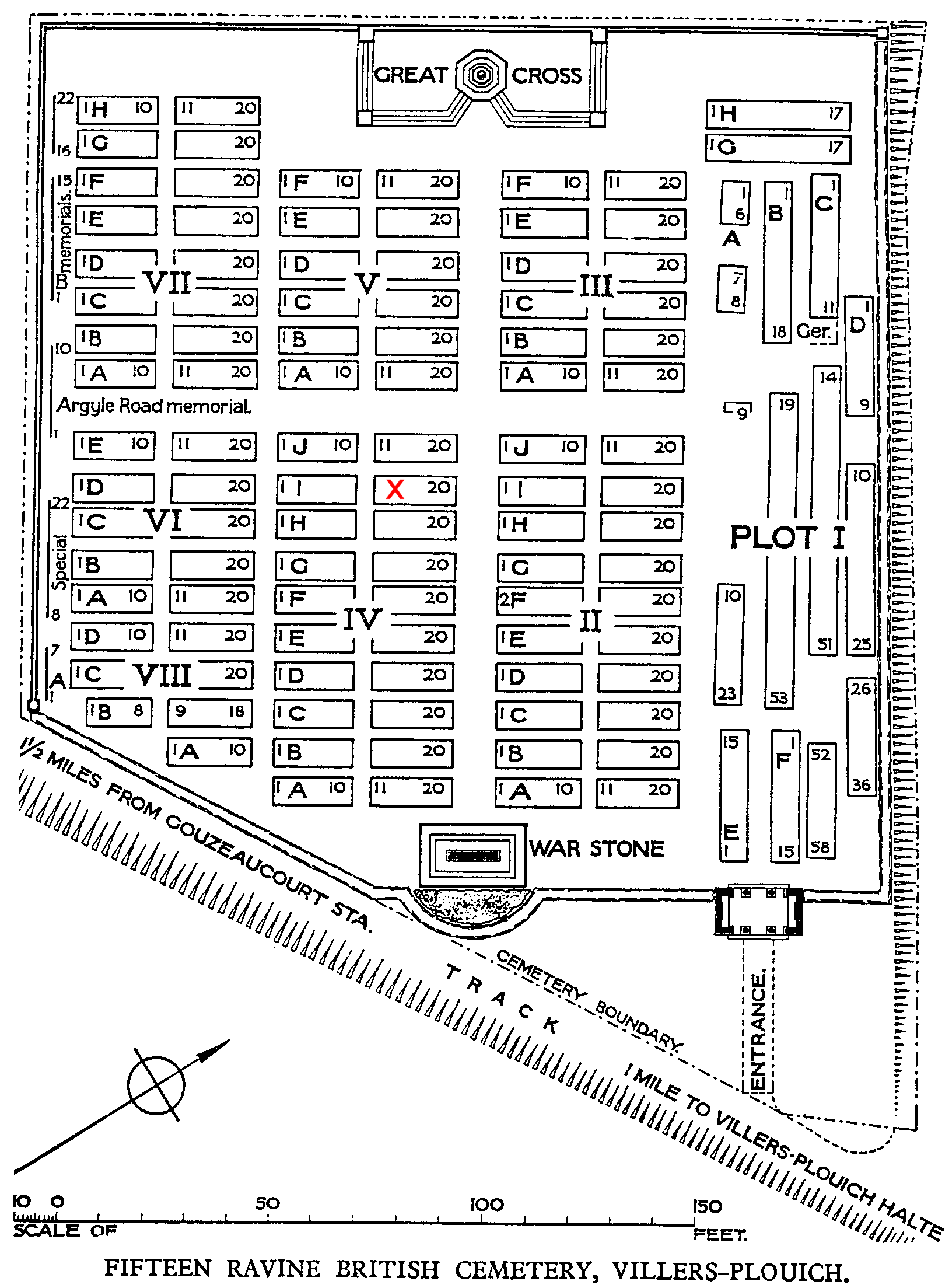
France: IV. I. 13
 
Biography:
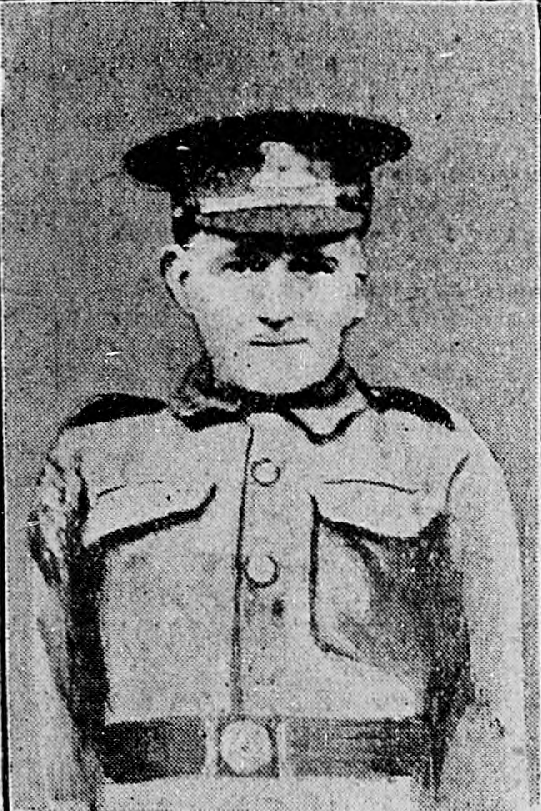
Henry Alfred Chowney was born in Woking in 1887, the son of Isaac, a nursery labourer, and Elizabeth (née Chapman).  He was
the fourth of eight children.

After leaving school, Henry was employed by the Woking Gas Company.  In 1911, Henry married Lily Collyer; their daughter was
born in July that year.

Henry enlisted in 1916, joining the 3rd Battalion, The Queen's (Royal West Surrey) Regiment.  In 1907 it had become the 3rd
Special Reserve Battalion, which was to provide trained soldiers to replace those in the regular battalions who had been killed or
wounded.  The battalion mobilised on 8th August 1914 at the depot and was initially stationed near Chatham.  During this time,
many drafts were prepared and sent overseas to join 1st and 2nd Battalions; later drafts joined 6th and 7th Battalions.  In February
1916, the Battalion moved to Sittingbourne, Kent.

Henry was deployed in November 1916 and joined 13th Battalion, East Surrey Regiment.

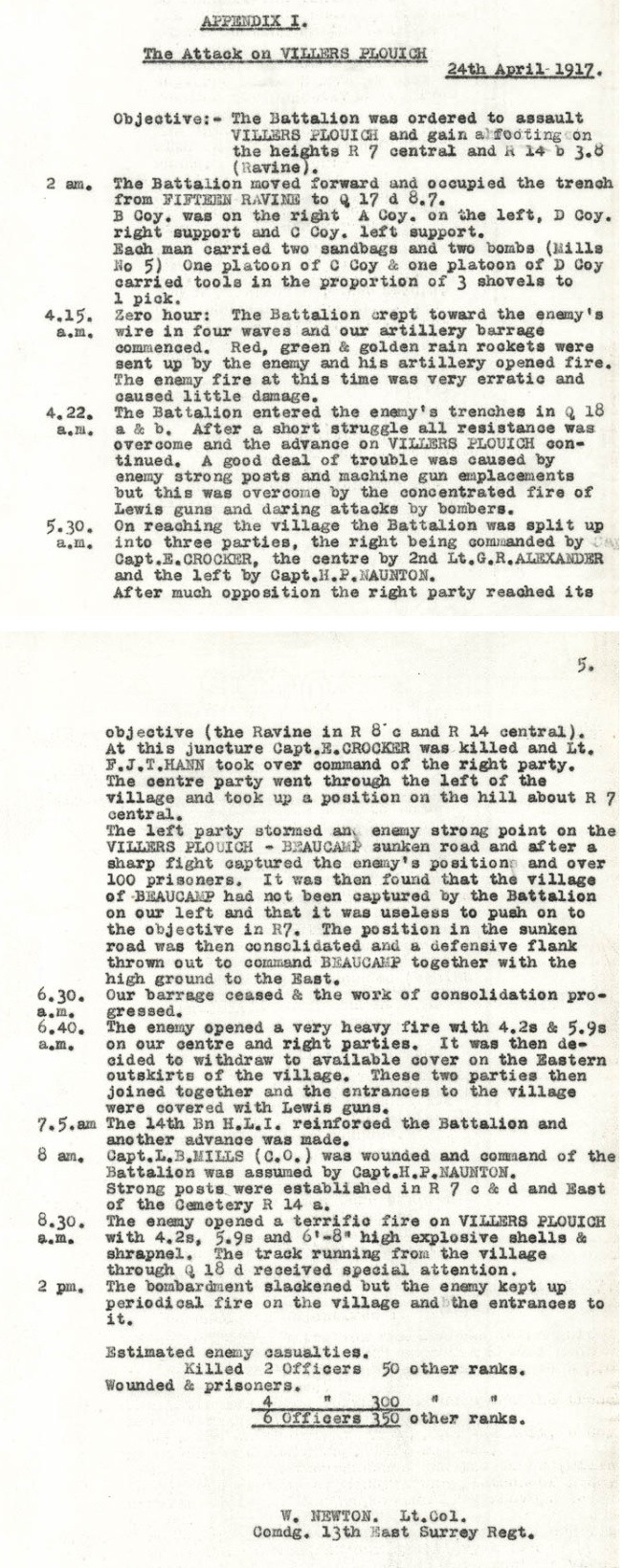
On 24 April 1917, The 40th Division were ordered to assault and capture the villages of Villiers Plouich and Beacamp.  13
Battalion, The East Surrey Regiment was involved in the capture of Villiers Plouich.  The battalion lost 3 officers and 26 other
ranks; 160 were wounded and 10 missing.  Henry was one of those killed.


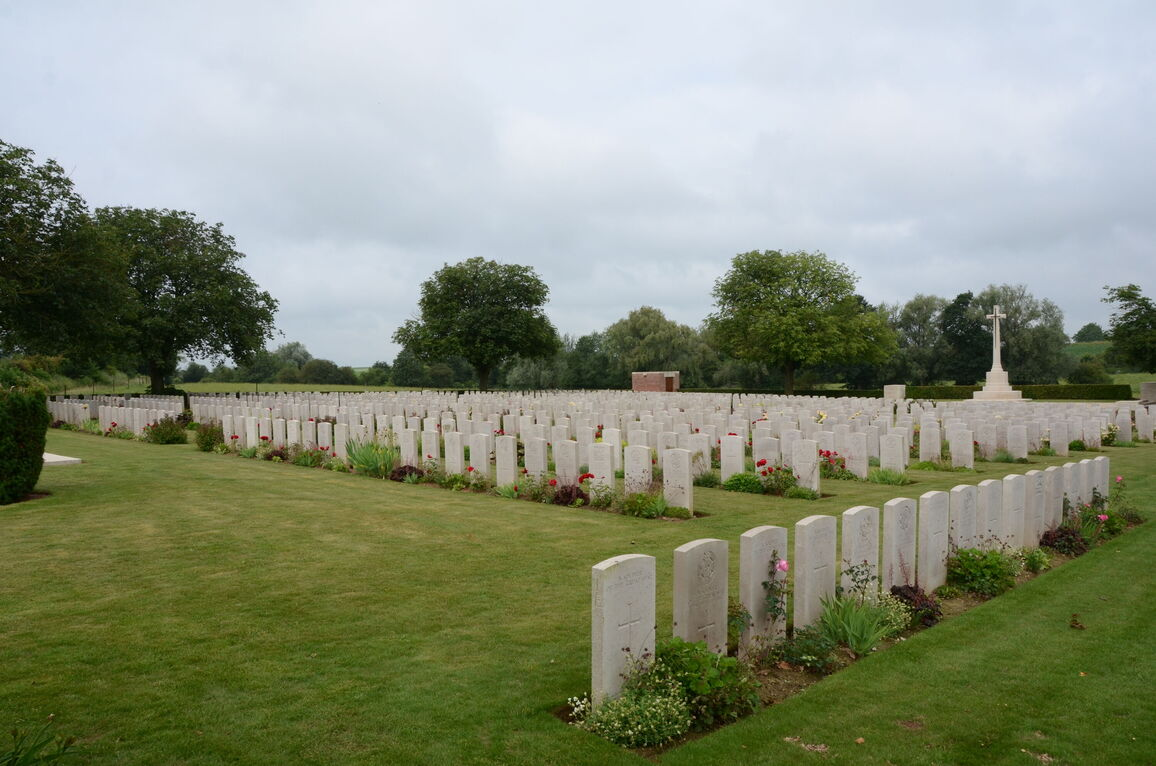
Henry Alfred Chowney is buried in grave IV. I. 13 within Fifteen Ravine British Cemetery, Villers-Plouich, France.


"Fifteen Ravine" was the name given by the Army to the shallow ravine, once bordered by fifteen
trees, which ran at right angles to the railway about 800 metres south of the village of Villers-
Plouich, but the cemetery is in fact in "Farm Ravine", on the east side of the railway line, nearer to
the village.  The cemetery, sometimes called Farm Ravine Cemetery, was begun by the 17th Welsh
Regiment in April 1917, a few days after the capture of the ravine by the 12th South Wales
Borderers.  It continued in use during the Battle of Cambrai (November 1917) and until March
1918.

Fifteen Ravine Cemetery now contains 1,264 Commonwealth burials and commemorations
of the First World War.  The cemetery was designed by Sir Herbert Baker.