William Bernard Barton

Home page

Appears as:

Born:

Parents:

Unit:


No.:

Rank:

Died:

Grave/Memorial: 
Barton, William B

19 December 1893, Sutton, Surrey

Francis & Amy (née Witcombe)

Middlesex Regiment / 103rd Company,
Machine Gun Corps (Infantry)

PS.275

2nd Lieutenant

28 April 1917, France, age 23

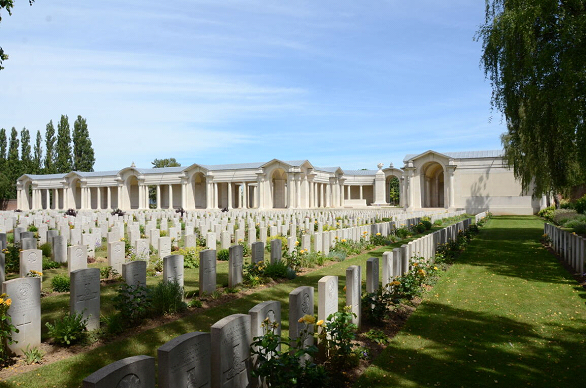
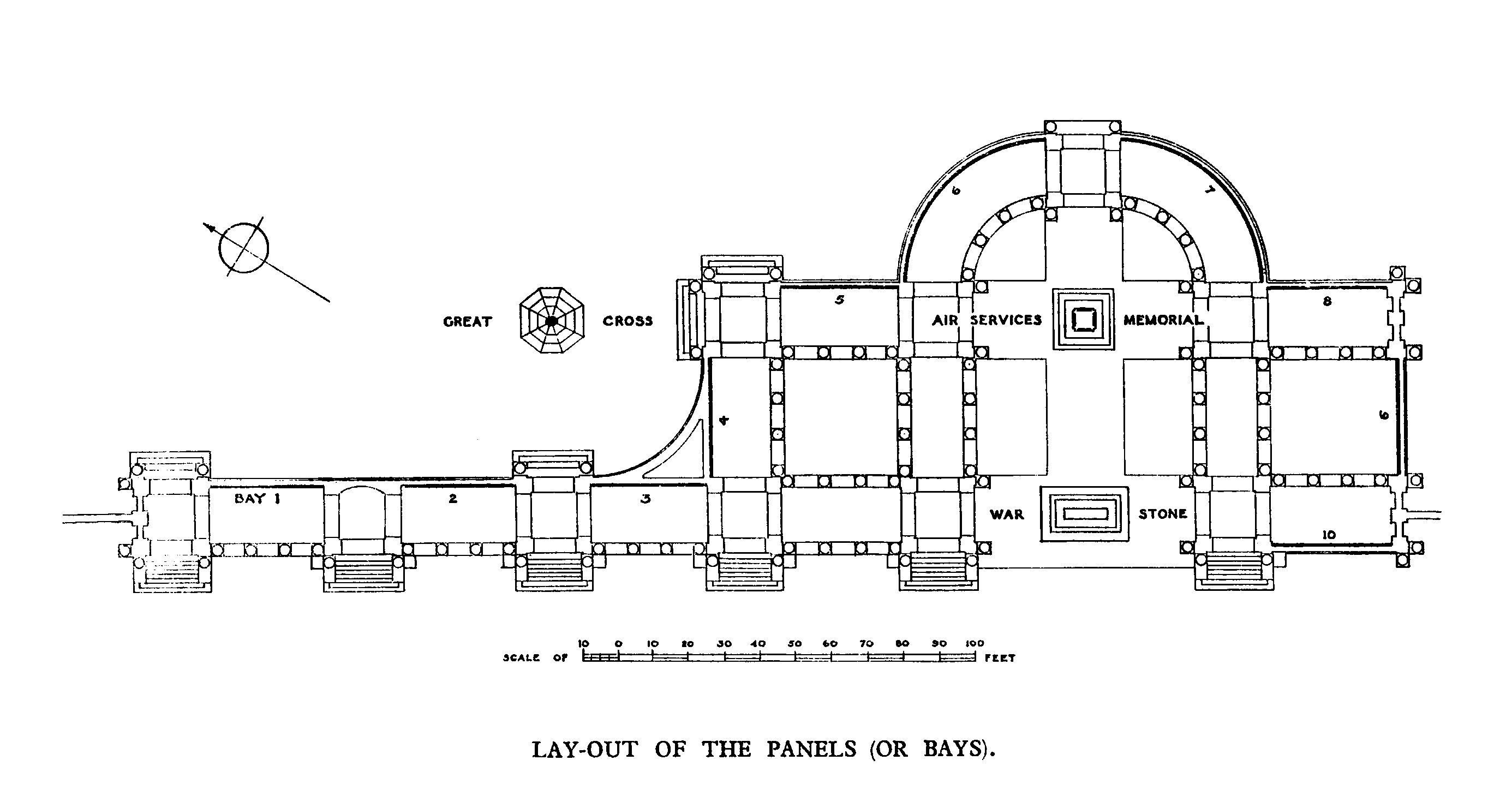
Arras Memorial, Pas de Calais, Bay 10

 
Biography:
William Bernard Barton was born in Sutton, Surrey on 19 December 1893, the son of Francis, a wholesale ironmonger, and Amy
(née Witcombe). William grew up in Sutton, the family moving to Brookwood in about 1914.

In the 1911 census, William’s occupation was as a clerk.

William joined the Middlesex Regiment and quickly rose to the rank of Sergeant (possibly due to his academic/professional
qualifications). He disembarked in France on 17 November 1915. On 4 August 1916, he took a Commission and transferred into
the Machine Gun Corps as a 2nd Lieutenant.

103 Company, Machine Gun Corps formed at Belton Park on 21 February 1916. It arrived at Le Havre on 26 April 1916 and
joined 103rd (Tyneside Irish) Infantry Brigade of 34th Division.

In April 1917, the 34th Division participated in the Battle of Arras. Also known as the Second Battle of Arras, it was a British
offensive on the Western Front. From 9 April to 16 May 1917, British troops attacked German defences near the French city of
Arras. The British achieved the longest advance since trench warfare had begun; however the advance slowed in the next few days
and the German defence recovered. The battle became a costly stalemate and by the end of the battle, the British had suffered
about 160,000 casualties. The 34th Division faced heavy fighting and casualties, including soldiers freezing to death.

William Bernard Barton was killed on 28th April 1917. His final resting place is unknown; his name, with others of his regiment,
appears on Bay 10 of the Arras Memorial.


The Arras Memorial commemorates almost 35,000 servicemen from the United Kingdom, South Africa and New Zealand who died in the Arras sector
between the spring of 1916 and 7 August 1918, the eve of the Advance to Victory, and have no known grave. The most conspicuous events of this period
were the Arras offensive of April-May 1917, and the German attack in the spring of 1918.